

How Often Should a Small Business Post on Social Media? Plan a Full Month of Content
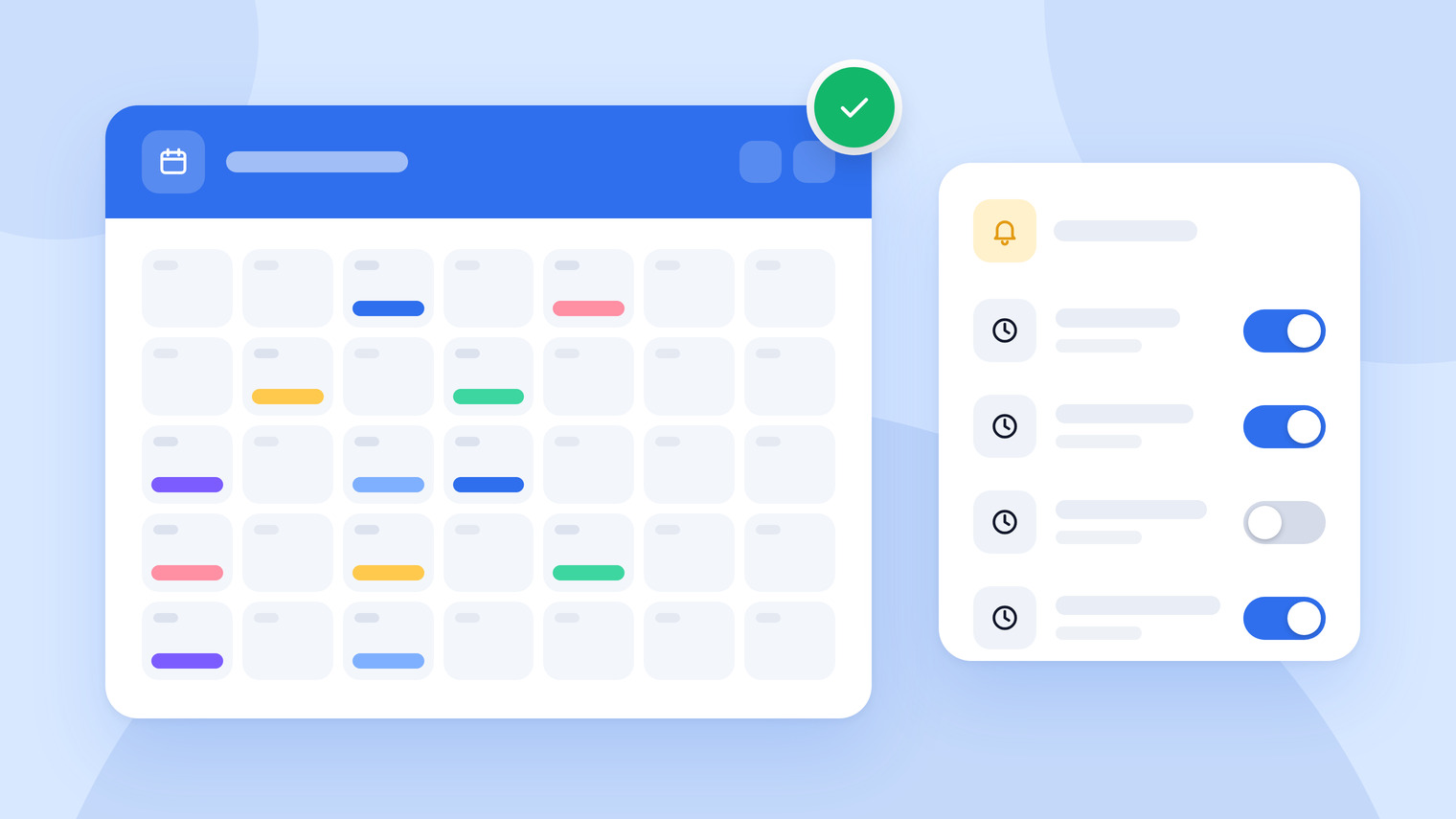
How often should a small business post on social media? The most useful answer is this: as often as you can keep up with, every week, for a long time. A steady rhythm beats bursts of activity followed by silence.
Here is how to find your number, and how to plan a whole month of content in a single sitting.
Why consistency beats volume
Audiences tend to reward accounts that show up regularly. Posting every day for two weeks and then disappearing for a month teaches people to ignore you. Posting a little less often, but reliably, builds familiarity and trust.
So the goal is not the highest number you can reach. It is the highest number you can sustain.
Find your number
A practical starting point:
- About 3 posts a week (roughly 12 a month) is a solid base for most small businesses.
- About 5 posts a week (roughly 20 a month) suits businesses with plenty to show and say, or those that want to grow faster.
- About 7 posts a week (roughly 30 a month) means a post every day, which only makes sense if you can keep the quality high.
Start with the first and move up only when it feels easy. If your time or budget is tight, a smaller steady number is better than an ambitious one you abandon in a month. These are also the sizes of our three post plans: 12, 20 and 30 posts a month.
Plan around four content pillars
Posting “whatever comes to mind” is exhausting. Pillars give you a repeatable menu to choose from. A simple set:
- Educate: tips, how-tos, myths and answers to common questions
- Show: your work, your product, your team and behind-the-scenes moments
- Prove: customer stories, reviews, before and after
- Invite: offers, events, new services and clear calls to action
A balanced month leans on educating and showing, with proof and invitations placed where they fit. Treat this as a starting point and adjust to what your audience responds to.
Plan a month in one sitting
- Pick your number. Say 12 posts.
- Check the calendar. Note holidays, events, launches, seasonal moments and quiet weeks.
- List ideas by pillar. Aim for a few more ideas than you need.
- Choose formats. Mix single images, carousels, short videos and stories, depending on the platform.
- Assign dates. Put each idea on a day and time when your audience is likely to be online. Mornings and early evenings are a reasonable place to start, then test and let your own analytics guide you.
- Create in batches. Write all the captions in one go, design in one go, film in one go. Batching saves a surprising amount of time.
- Schedule. Load everything into a scheduling tool, or have your provider do it.
- Review at the end of the month. Which posts were saved, shared or commented on? Do more of that.
A sample week
- Monday: an educational post, such as a tip or the answer to a common question
- Wednesday: a short video showing your work or a behind-the-scenes moment
- Friday: a proof or invitation post, such as a customer story, an offer or an event
Repeat it four times and you have a month.
One idea, many posts
You do not need a brand-new idea for every post. Take one strong idea and turn it into several:
- A short video that shows the idea
- A carousel that explains it step by step
- A single image with the key line
- A story that asks people a question about it
- A caption for another platform, adapted to that platform’s style
One good customer question can feed a whole week of content.
Evergreen and timely content
Mix content that stays useful (how-tos, answers to common questions, your process) with content tied to the moment (a seasonal offer, an event, news in your industry). Evergreen posts make planning easy and can be reused later with fresh wording. Timely posts show that a real business is behind the account.
When you miss a week
It will happen. Do not apologize at length or flood the feed to catch up. Post the next piece on schedule and carry on. Consistency is measured over months, not days.
Do not forget the human part
Scheduled posts still need a person. Reply to comments and messages, thank people who share your content, and keep an eye on the news so a scheduled post never lands badly.
If planning feels like too much
This is exactly what we do at Socialrt: planning the calendar, designing the posts, writing the captions, researching hashtags and scheduling at good times, with 12, 20 or 30 posts a month. You review the drafts in your account, and nothing goes live until you approve it.
See the plans, book a free call, or read our guide to how much social media management costs.